
Most tuna salads are pretty straightforward, right? Canned tuna, mayo, maybe a few chopped veggies. But I’ve found that a little unexpected twist can turn it into something special, even for a quick lunch. Think roasted peppers, a hint of sesame oil, or a splash of citrus—things that add layers without fuss.
This recipe is my go-to when I want something familiar but not boring. It’s perfect for lazy weekends or when I need a meal that’s easy but still feels thoughtful. It’s about elevating the humble tuna salad with a couple of small surprises, making it feel fresh and a little luxurious, no matter how busy the day.
Focusing on how to elevate a humble tuna salad with unexpected ingredients that add depth and surprise, making it feel special enough for a weekend brunch or a quick lunch that’s anything but ordinary.
The story behind this recipe
- I first stumbled on this twist when I was trying to clean out my fridge before a weekend trip. I had some roasted peppers and a jar of good mayo. Mixing them with canned tuna was an accidental success that stuck with me.
- It reminds me of lazy Sunday afternoons at my grandmother’s house, where simple ingredients turned into something memorable. That feeling of comfort with a little bit of surprise is what I chase in this recipe.
- Every time I make it, I think about how a small change can make a humble dish feel special enough for a brunch or a quick lunch that doesn’t taste rushed.
Key ingredients and tips
- Canned tuna: I prefer chunk light packed in oil; it’s got a richer flavor and feels less dry. Swap with water-packed if you want a leaner salad, but drain well to avoid watery bites.
- Mayonnaise: I love a good homemade or thick, creamy mayo; it coats everything smoothly. If you want a lighter touch, Greek yogurt works, but it’s tangier and less rich.
- Red onion: I use thin slices for a sharp, crisp bite that cuts through the richness. Skip or swap with shallots if you want a milder, sweeter note.
- Celery: I keep mine crunchy, adding a fresh, slightly grassy contrast. If you’re out, chopped apple can add a sweet crunch, but it changes the flavor profile.
- Lemon juice: Freshly squeezed brightens the whole thing with zesty brightness. For a deeper flavor, a splash of vinegar can work, but lemon keeps it lively.
- Herbs: I love chopped parsley or dill—they add freshness and a whisper of earthiness. Basil or chives are good alternatives if those aren’t on hand, but skip strong herbs if you want simplicity.
- Extras: A touch of smoked paprika or capers can add a smoky or briny punch. Use sparingly to keep the focus on the tuna, but don’t skip the element of surprise.
Spotlight on key ingredients
Canned tuna:
- I prefer chunk light packed in oil; it’s got a richer flavor and feels less dry. Swap with water-packed if you want a leaner salad, but drain well to avoid watery bites.
- Mayonnaise: I love a good homemade or thick, creamy mayo; it coats everything smoothly. If you want a lighter touch, Greek yogurt works, but it’s tangier and less rich.
- Lemon juice: Freshly squeezed brightens the whole thing with zesty brightness. For a deeper flavor, a splash of vinegar can work, but lemon keeps it lively.
Herbs:
- Red onion: I use thin slices for a sharp, crisp bite that cuts through the richness. Skip or swap with shallots if you want a milder, sweeter note.
- I love chopped parsley or dill—they add freshness and a whisper of earthiness. Basil or chives are good alternatives if those aren’t on hand, but skip strong herbs if you want simplicity.
Notes for ingredient swaps
- Canned tuna: I prefer chunk light packed in oil; it’s got a richer flavor and feels less dry. Swap with water-packed if you want a leaner salad, but drain well to avoid watery bites.
- Mayonnaise: I love a good homemade or thick, creamy mayo; it coats everything smoothly. If you want a lighter touch, Greek yogurt works, but it’s tangier and less rich.
- Red onion: I use thin slices for a sharp, crisp bite that cuts through the richness. Skip or swap with shallots if you want a milder, sweeter note.
- Celery: I keep mine crunchy, adding a fresh, slightly grassy contrast. If you’re out, chopped apple can add a sweet crunch, but it changes the flavor profile.
- Lemon juice: Freshly squeezed brightens the whole thing with zesty brightness. For a deeper flavor, a splash of vinegar can work, but lemon keeps it lively.
- Herbs: I love chopped parsley or dill—they add freshness and a whisper of earthiness. Basil or chives are good alternatives if those aren’t on hand, but skip strong herbs if you want simplicity.
- Extras: A touch of smoked paprika or capers can add a smoky or briny punch. Use sparingly to keep the focus on the tuna, but don’t skip the element of surprise.
Equipment & Tools
- medium mixing bowl: to combine and mix ingredients
- fork: to flake tuna and mix ingredients
- sharp knife: to chop onion, peppers, and herbs
- cutting board: to prepare vegetables and herbs
- spoon: to fold and serve the salad
Step-by-step guide to tuna salad
- Gather all equipment: a medium mixing bowl, a fork, a sharp knife, a cutting board, and a spoon for mixing.
- Drain the tuna thoroughly, pressing out excess oil or water. Break it apart with a fork into a flaky consistency.
- Chop the red onion into thin slices—aim for small, even cuts to avoid overpowering bites.
- Dice the roasted peppers into small strips or chunks, about 1 cm, for even distribution and flavor pop.
- In the bowl, combine tuna, onion, and peppers. Mix gently but thoroughly to distribute ingredients evenly.
- Add 2–3 tablespoons of mayonnaise, start with less and add more for desired creaminess. Mix again.
- Squeeze fresh lemon juice over the mixture, about 1 teaspoon, to brighten flavors. Fold in gently.
- Chop herbs like parsley or dill finely, then sprinkle over the salad. Mix lightly to combine.
- Taste and adjust: add salt, pepper, or more lemon if needed. The mixture should be flavor-forward but balanced.
- Serve immediately on toasted bread, in a lettuce wrap, or on its own. For best flavor, let sit for 10 minutes to meld.
Let the salad rest for about 10 minutes at room temperature to allow flavors to meld. Serve on your choice of bread, greens, or as is, with a final drizzle of lemon if desired.
How to Know It’s Done
- Tuna should be flaky, not clumpy or mushy.
- Onions should be crisp but not raw-tasting, with a mild pungency.
- The mixture should be evenly coated with mayo and brightened by lemon.
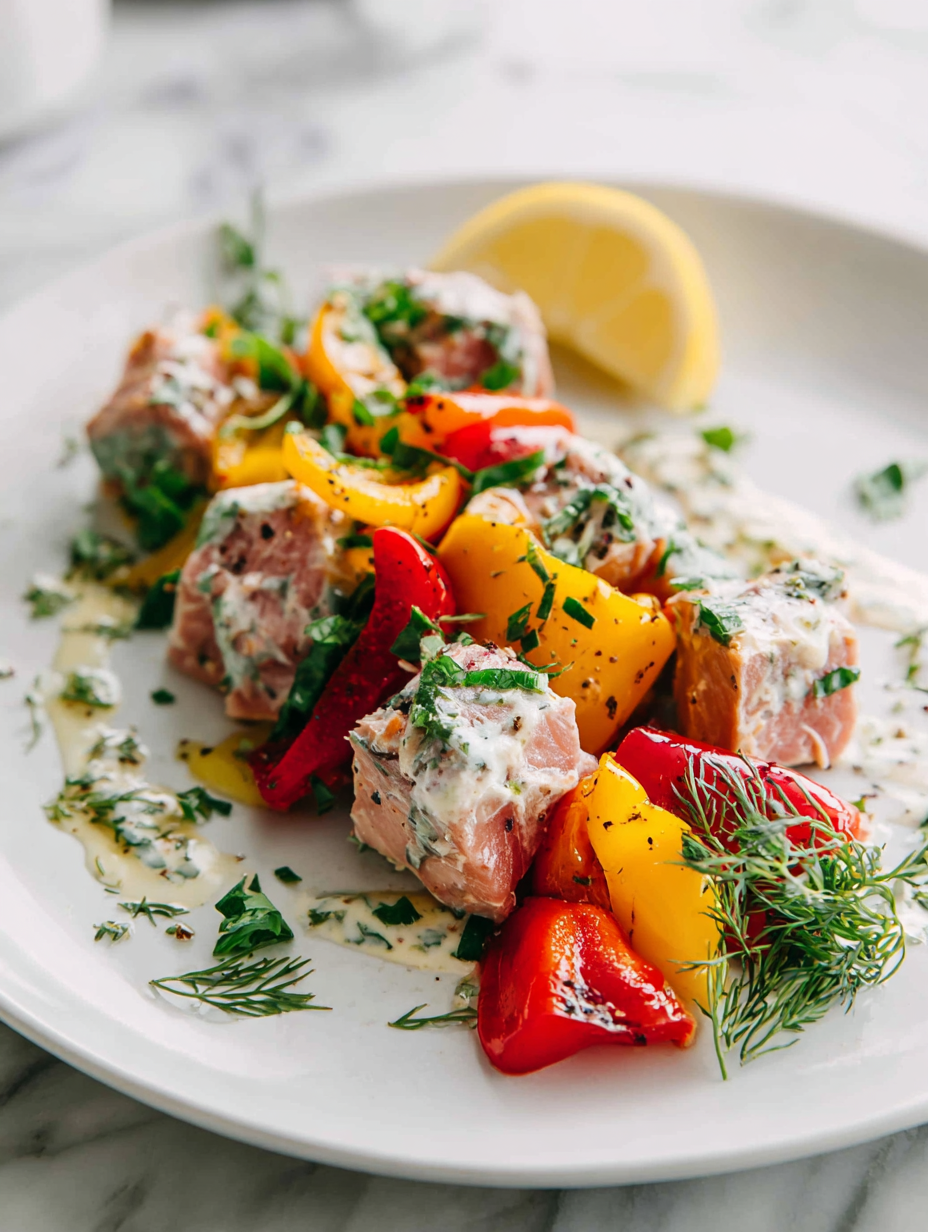
Elevated Tuna Salad with Roasted Peppers and Fresh Herbs
Ingredients
Equipment
Method
- Drain the tuna thoroughly, pressing out excess oil or water, then flake it into a large mixing bowl using a fork until it’s light and flaky.
- Thinly slice the red onion and add it to the bowl, noting the bright, sharp aroma as you do so.
- Dice the roasted red peppers into small chunks, about 1 cm, and toss them into the bowl, watching for their smoky, colorful appearance.
- Chop the celery finely and stir it into the mixture for a crisp, fresh texture that contrasts with the tender tuna.
- Add 3 tablespoons of mayonnaise to the bowl, starting with a smaller amount and folding it in gently until everything is evenly coated and creamy.
- Squeeze in about 1 teaspoon of freshly squeezed lemon juice, mixing gently to brighten the flavors and infuse a zesty aroma.
- Chop the herbs finely—either parsley or dill—and sprinkle them over the salad, folding gently to distribute their fresh aroma evenly.
- Optional: sprinkle a pinch of smoked paprika or capers for an extra smoky or briny flavor, folding it in carefully to avoid overpowering the dish.
- Taste the mixture and adjust seasoning with a pinch of salt or more lemon juice if needed, ensuring the flavors are balanced and vibrant.
- Let the salad rest for about 10 minutes at room temperature, allowing the flavors to meld and the textures to become even more cohesive.
- Serve the tuna salad chilled or at room temperature, spooned onto toasted bread, atop greens, or eaten straight from the bowl for a fresh, luxurious experience.
Pro tips for perfect tuna salad
- Bolded mini-head: Use a fork to flake tuna gently—avoid breaking it into mush.
- Bolded mini-head: Chill your mixing bowl and utensils—cold tools help keep the salad fresh and firm.
- Bolded mini-head: Add lemon juice last—brightens the flavors without diluting the mayo’s creaminess.
- Bolded mini-head: Taste and adjust seasoning before serving—sometimes a pinch more salt or lemon makes all the difference.
- Bolded mini-head: Use fresh herbs—dried herbs lose their vibrancy and can make the salad taste flat.
- Bolded mini-head: Incorporate ingredients gradually—build flavor in steps to avoid over-salting or overpowering.
- Bolded mini-head: Let the salad rest for 10 minutes—allows flavors to meld and enhances every bite.
Common mistakes and how to fix them
- FORGOT to check tuna texture → Flake gently, avoid clumpy or mushy consistency.
- DUMPED in all ingredients at once → Add seasonings gradually, taste as you go.
- OVER-TORCHED the vegetables → Keep an eye; stir frequently to prevent burning or browning.
- MISSED draining tuna thoroughly → Press out excess moisture for better texture.
Quick fixes and pantry swaps
- When in doubt, splash lemon juice to brighten dull flavors.
- If mayo separates, gently fold in a teaspoon of water to restore creaminess.
- DUMPED in all ingredients at once? Mix gradually and taste for balanced seasoning.
- When vegetables burn, reduce heat and stir faster to prevent charring.
- Splash a bit of olive oil if the tuna feels dry after draining—adds a silky finish.
Prep, store, and reheat tips
- Prep ingredients like chopping herbs, slicing onions, and draining tuna a few hours ahead to save time when assembling. Keep chilled for freshness.
- Store the prepared mixture in an airtight container in the fridge for up to 24 hours. The flavors will deepen, and the texture stays fresh, with a bright lemon aroma lingering.
- If making the salad a day in advance, taste and adjust seasonings before serving to refresh the brightness. The mayo may firm up; stir gently to loosen.
- Refrigerated tuna salad should be consumed within 1-2 days for best flavor and safety. Sensory cue: it should smell fresh, not sour or off, and have a creamy, inviting texture.
- To reheat or serve cold, simply take out and let sit at room temperature for 10 minutes. It will regain a bit of softness, with a subtle aroma of herbs and lemon.
Top questions about tuna salad
1. Should I use oil or water-packed tuna?
Use oil-packed tuna for richer flavor and better texture. Water-packed is leaner but can be drier if not drained well.
2. Can I substitute Greek yogurt for mayo?
Yes, Greek yogurt can replace mayo for a tangier, lighter salad. It won’t be as creamy, but it’s a good swap.
3. How should I prepare the onions?
Chop onions finely for a sharp bite without overpowering. Soaking sliced onions in cold water for a few minutes can mellow their bite.
4. When should I add lemon juice?
Add lemon juice last to keep it bright and fresh. If it tastes dull, a quick squeeze right before serving perks it up.
5. How long can I keep tuna salad in the fridge?
Store the salad in an airtight container for up to 24 hours. Flavors deepen, but fresh herbs may lose some brightness.
6. What if my tuna salad looks greasy or separates?
If mayo separates, gently fold in a teaspoon of water or a splash more lemon juice to restore creaminess.
7. Can I use dried herbs instead of fresh?
Use fresh herbs like parsley or dill for the best aroma and flavor. Dried herbs tend to taste dull and less vibrant.
8. My tuna seems dry—what should I do?
When the tuna feels dry after draining, stir in a drizzle of olive oil or a little extra lemon to add moisture.
9. How do I avoid over-mixing the salad?
To prevent over-mixing, fold ingredients gently and taste before adding extra seasonings. This keeps the salad light and balanced.
10. The flavor feels dull—what can I do?
For a quick fix if flavors are flat, add a splash more lemon or a pinch of salt. A little fresh herb can also lift the dish.
This tuna salad isn’t just about convenience; it’s about capturing a moment of simple pleasure. The mix of smoky peppers, bright lemon, and fresh herbs makes each bite lively and satisfying. It’s a reminder that even humble ingredients can surprise us with a little thoughtful tweak.
Whenever I make this, I think about how a small change can turn a quick lunch into something memorable. It’s perfect for busy days when you want flavor without fuss, or when you need a dish that feels a little special. No matter when I serve it, it always feels just right.

Founded by Rachel Morgan, a proud home cook and foodie from Austin, Texas, this blog is all about transforming everyday meals into moments of joy.