
This garlic butter shrimp recipe is all about the magic of roasting garlic first. It turns sweet, mellow, and deeply aromatic, adding a layer of richness that raw garlic just can’t match. I love how a simple step like this can elevate the whole dish, making every bite feel more intentional.
Cooking shrimp this way feels like a small celebration—quick, fragrant, and comforting. It’s perfect for those nights when I want something satisfying but not fussy, and the aroma of caramelized garlic filling the kitchen is enough to lift anyone’s mood. Plus, it’s so versatile; I use it over pasta, rice, or just with crusty bread for dipping.
This recipe focuses on how the simple act of roasting garlic before adding it to the butter transforms the dish from good to unforgettable, emphasizing caramelized sweetness and mellow depth in every bite.
Elevating Shrimp with Caramelized Garlic
- This dish reminds me of summer evenings at my grandmother’s house, where the smell of garlic and butter would drift through the open windows, making everything feel cozy.
- I used to panic over perfectly cooked shrimp, but now I just focus on that tender, slightly firm texture with a juicy pop—it’s such a relief.
- There’s a rush of pride when I master that golden caramelization of garlic without burning it, knowing it’s the secret to deep flavor.
- Cooking this feels like a small act of kindness — quick, fragrant, and always satisfying, especially after a long day.
- I love how this simple dish sparks nostalgia, taking me back to lazy weekends and shared meals around a crowded table.
The inspiration behind this dish
- This dish came together one busy weeknight when I found myself digging through the fridge, craving something quick but flavorful. I remembered how roasting garlic earlier that day had left my kitchen smelling like a caramelized dream, so I decided to toss that garlic into some butter with shrimp. The result was a happy accident—those tender, juicy shrimp coated in rich, toasted garlic butter, simple yet so satisfying.
- I often forget how small tweaks make big differences. Roasting garlic beforehand transforms its sharp bite into a sweet, mellow depth that’s addictive. It’s become my go-to for whenever I want to elevate a humble seafood dish without fussing over complicated sauces or lengthy prep. Honestly, I keep coming back to this because it’s honest, unpretentious, and just really good.
- heading: Small Moments, Big Flavors
Historical & Cultural Tidbits
- Garlic butter dishes have roots in European seaside villages where fresh seafood was cooked simply with local butter and garlic, emphasizing purity of flavor.
- The idea of roasting garlic before adding it to sauces gained popularity in modern kitchens for its ability to mellow sharpness and bring out a sweet, nutty aroma.
- Shrimp recipes flavored with garlic and butter became a staple in Mediterranean cuisine, especially in coastal regions where seafood was abundant and quick to prepare.
- This dish’s style echoes traditional French recipes, where garlic is often roasted to deepen its flavor before being incorporated into sauces and seafood dishes.
Key Ingredients & Tips
- Garlic: I love roasting garlic first; it turns sweet and mellow, filling the kitchen with a toasted aroma. Skip this step if you prefer a sharper, more pungent flavor.
- Butter: Unsalted butter is my go-to for control, but if you want a richer flavor, a touch of heavy cream can add silkiness. Keep it gentle—don’t let it brown or burn.
- Shrimp: I prefer peeled, deveined shrimp, and I pat them dry for a better sear. Fresh or frozen works, just thaw thoroughly and pat dry to avoid splatters.
- Lemon: Brightens everything—use fresh lemon juice and zest. If you don’t have lemon, a splash of white wine can add a nice acidity instead.
- Herbs: Parsley or chives add freshness. Chop them finely just before serving to keep their vibrant flavor and color. Dried herbs won’t give the same punch, so use fresh whenever possible.
- Salt & Pepper: Season generously but taste as you go. Shrimp can be delicate, so adjust until it’s just right—avoid over-salting, as butter and garlic are already rich.
Spotlight on key ingredients
Garlic:
- I love roasting garlic first; it turns sweet and mellow, filling the kitchen with a toasted aroma. Skip this step if you prefer a sharper, more pungent flavor.
- Butter: Unsalted butter is my go-to for control, but if you want a richer flavor, a touch of heavy cream can add silkiness. Keep it gentle—don’t let it brown or burn.
Shrimp:
- I prefer peeled, deveined shrimp, and I pat them dry for a better sear. Fresh or frozen works, just thaw thoroughly and pat dry to avoid splatters.
- Lemon: Brightens everything—use fresh lemon juice and zest. If you don’t have lemon, a splash of white wine can add a nice acidity instead.
Notes for ingredient swaps
- Dairy-Free: Swap butter for olive oil or coconut oil. It won’t have the same richness but adds a fruity, fragrant note.
- Low-Sodium: Use unsalted butter and adjust salt to taste. Keeps the dish fresh and lets the garlic shine.
- Herb Variations: Use cilantro or basil instead of parsley. They bring a different, vibrant aroma to the dish.
- Spicy Kick: Add a pinch of red pepper flakes or a dash of hot sauce to spice things up. Be cautious—it can overpower the delicate shrimp.
- Lemon Alternatives: If lemon isn’t available, a splash of white wine or vinegar can give a bright acidity, just adjust to taste.
- Seafood Swap: Scallops or chunks of firm white fish work well if shrimp aren’t available. Adjust cooking time accordingly.
- Garlic Prep: Use jarred minced garlic for convenience, but keep in mind it’s more pungent and less sweet than roasted garlic.
Equipment & Tools
- Large skillet: To cook shrimp evenly without overcrowding.
- Spatula: To flip and toss shrimp gently.
- Small bowl: For prepping garlic slices.
Step-by-step guide to garlic butter shrimp
- Equipment & Tools: Gather a large skillet (preferably stainless steel or cast-iron) for even heat, a spatula for tossing, and a small bowl for prep.
- Peel 4-6 garlic cloves and slice thinly. Set aside. Preheat skillet over medium-low (150°C/300°F).
- Add 2 tbsp unsalted butter to the pan. Let melt slowly, watching for gentle foam, not browning. Toss in garlic slices.
- Cook garlic gently, stirring often, until fragrant and golden around the edges, about 2-3 minutes. If it smells burnt, turn down heat or remove garlic early.
- Increase heat slightly to medium (180°C/355°F). Add 1 lb peeled shrimp. Spread in a single layer. Sear for 1-2 minutes without moving to get a good crust.
- Flip shrimp, cook for another 1-2 minutes until pink and opaque. The garlic butter should be bubbly and fragrant. If shrimp are overcooked, reduce heat or remove early.
- Squeeze fresh lemon juice (about 1 tbsp) over the shrimp, toss to coat evenly. Add chopped parsley or chives if desired.
- Rest & Plate: Transfer to a serving dish immediately. Spoon over any remaining garlic butter. Serve hot with crusty bread or over rice.
- Checkpoints & How to Know It’s Done: Shrimp should be pink and firm, garlic golden but not burnt, butter bubbling gently with fragrant aroma.
Serve immediately on warm plates, spooning garlic butter over the shrimp. Garnish with fresh herbs if desired. Keep warm until eaten for the best flavor.
How to Know It’s Done
- Shrimp: pink, opaque, firm to touch.
- Garlic: golden, fragrant, not burnt or dark.
- Butter: bubbling gently, fragrant with toasted garlic aroma.
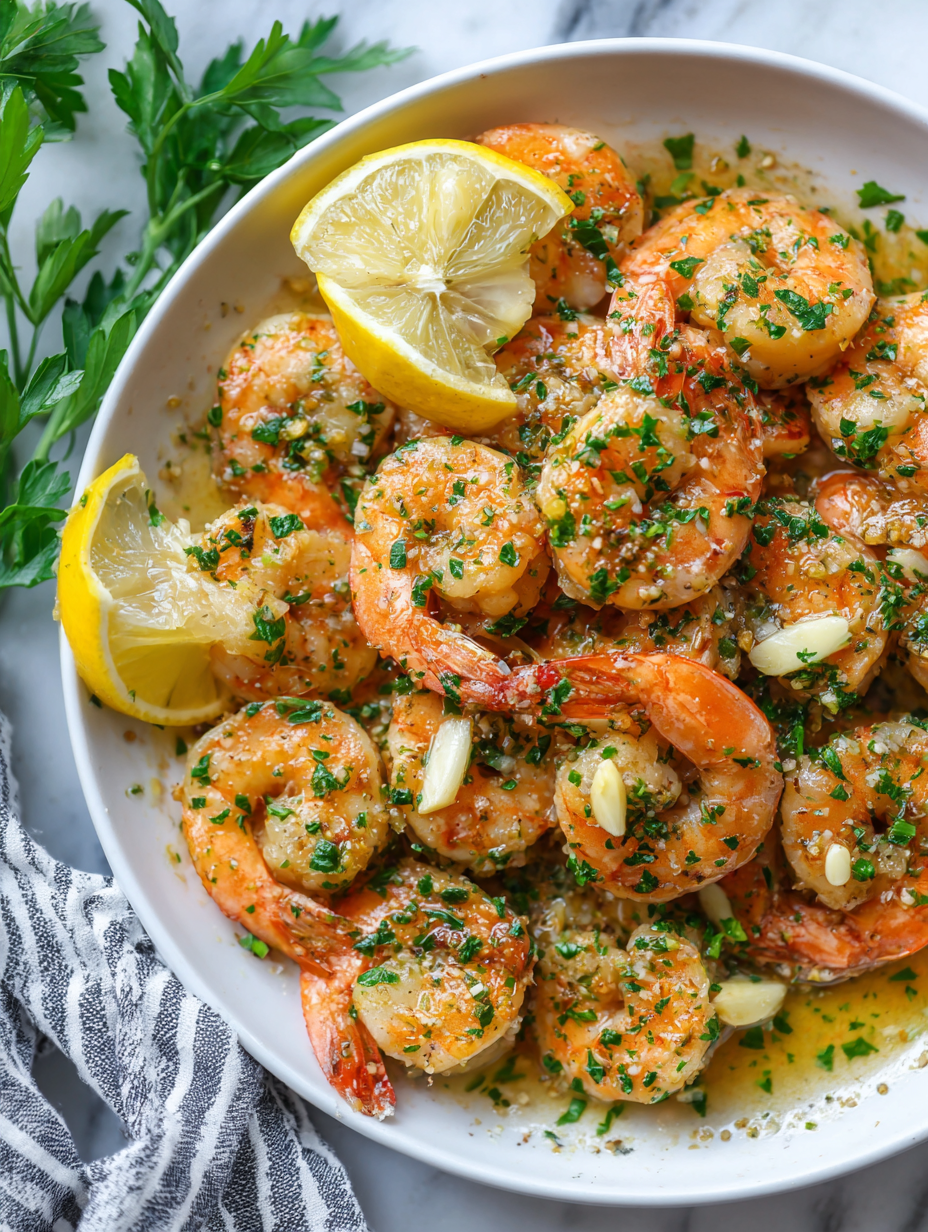
Garlic Butter Shrimp
Ingredients
Equipment
Method
- Preheat your skillet over medium-low heat, and add the butter, letting it melt slowly until it begins to foam gently. Toss in the sliced garlic and cook gently, stirring often, until fragrant and golden around the edges—about 2-3 minutes. You'll notice a rich, toasted aroma filling the kitchen.
- Increase the heat slightly to medium and add the peeled shrimp in an even layer. Let them sear without moving for about 1-2 minutes to develop a slight caramelization, then flip with a spatula and cook for another 1-2 minutes until they turn pink and opaque. You'll hear a gentle sizzle and see their color deepen.
- Squeeze the fresh lemon juice over the shrimp, then toss everything gently to coat the seafood in the fragrant garlic butter. Continue cooking for another 30 seconds to meld the flavors, and sprinkle with chopped parsley along with a pinch of salt and pepper to taste. The butter should be bubbling softly, infused with toasted garlic aroma.
- Remove the skillet from heat and transfer the shrimp to a serving dish, spooning over the luscious garlic butter sauce. Garnish with additional herbs if desired and serve immediately with slices of crusty bread, rice, or pasta. The shrimp should look plump, juicy, and coated in a golden, fragrant sauce ready to enjoy.
Notes
Pro tips for perfect garlic butter shrimp
- Use medium-low heat when roasting garlic to prevent burning and develop a sweet, toasted aroma.
- Let garlic slices sizzle gently in butter until fragrant and golden—this unlocks deep, nutty flavors.
- Sear shrimp quickly over medium-high heat for a tender, juicy bite with a slight caramelized edge.
- Add lemon juice off the heat to keep its bright, fresh flavor intact and avoid bitterness.
- Toss in fresh herbs just before serving to preserve their vibrant color and aroma.
- Don’t overcrowd the pan—work in batches if needed, for even searing and crispy garlic bits.
- Finish with a quick splash of water or wine if the butter starts to brown too much, for a smooth sauce.
Common mistakes and how to fix them
- FORGOT to watch garlic: Burnt garlic ruins flavor, lower heat or remove early to fix.
- DUMPED shrimp in cold pan: Sear in hot oil for better caramelization and juiciness.
- OVER-TORCHED butter: Remove from heat immediately if butter starts to brown or smell burnt.
- MISSED seasoning: Taste test and add salt or lemon to balance flavors before serving.
Quick fixes for a perfect dish
- When garlic burns, splash in a little water to cool the pan and mellow the flavor.
- If shrimp stick or overcook, immediately remove from heat and cover loosely to retain moisture.
- Dumped too much salt? Rinse shrimp quickly under cold water and pat dry before researing.
- Over-torched butter? Patch with a spoonful of fresh butter or a drizzle of olive oil to recover richness.
- Splash in lemon juice or a splash of white wine if the garlic butter shimmers and smells smoky—restore brightness.
Prep, store, and reheat tips
- Peel and slice garlic cloves ahead; store in an airtight container in the fridge for up to 2 days, where the aroma remains rich and fragrant.
- Prepare and devein shrimp in advance; keep covered in the fridge for up to 24 hours. Pat dry before cooking to ensure a good sear and avoid splatters.
- Make the garlic butter mixture a day ahead, refrigerate, and gently rewarm in the pan over low heat until just melted and fragrant before adding shrimp.
- Leftover cooked shrimp can be stored in an airtight container in the fridge for 1-2 days. Reheat gently in a skillet over low heat, watching the butter for shimmer and aroma.
- Reheating will soften the garlic’s caramelized edges; for best flavor, reheat just until warm, avoiding overcooking to retain juiciness and aroma.
Top questions about garlic butter shrimp
1. Why roast garlic before adding it to the shrimp?
Roasting garlic first mellows its sharpness and adds a sweet, toasted aroma, making the dish richer and more complex. Skip this step if you prefer a more pungent garlic flavor.
2. Can I use bottled lemon juice instead of fresh?
Use fresh lemon juice for brightness and a clean, tangy flavor that balances the richness of the butter. Bottled lemon or lime juice can work in a pinch but won’t have the same vibrancy.
3. How do I know when shrimp are perfectly cooked?
Cooking shrimp until they turn pink and firm is key. Overcooked shrimp become rubbery, so keep an eye on their color and texture during searing.
4. What’s the right butter temperature for this dish?
Butter should melt slowly over medium-low heat, gently bubbling with a toasted garlic aroma. If it browns too quickly or smells burnt, lower the heat or remove from heat immediately.
5. Can I use frozen shrimp directly?
Using peeled, deveined shrimp ensures even cooking and easy eating. Pat them dry before cooking to prevent splatters and help sear better.
6. When should I add herbs to the dish?
Adding fresh herbs like parsley or chives right before serving keeps their flavor vibrant and color bright. Dried herbs will lose their punch quickly if added too early.
7. How long should I sear the shrimp?
A quick sear over medium-high heat creates a slight caramelization and crispy edges on the shrimp, enhancing flavor and texture.
8. What do I do if the garlic burns?
If the garlic starts to burn, remove it from the pan or add a splash of water or wine to cool down the heat and mellow the flavor.
9. How can I avoid overcooking the shrimp?
To prevent overcooking, remove the shrimp as soon as they turn pink and opaque, usually within 3 minutes of searing.
10. Can I reheat garlic butter shrimp?
Reheat leftovers gently in a skillet over low heat, adding a splash of water or lemon to refresh the flavors and prevent drying out.
This garlic butter shrimp dish is a reminder that simple ingredients, treated with a bit of care, can create something unexpectedly memorable. The aroma of toasted garlic and the tender juiciness of the shrimp make every bite feel like a small celebration.
No matter how often I make it, I’m always surprised by how quickly it comes together and how much flavor it delivers. It’s honest, straightforward, and perfect for those nights when I want something satisfying without fuss, yet full of depth.

Founded by Rachel Morgan, a proud home cook and foodie from Austin, Texas, this blog is all about transforming everyday meals into moments of joy.